Some cultural inheritance fits neatly on a shelf: a novel, a photograph, a recipe written in a relative’s hand. Other parts live in performance and conversation. They include the pause before a punch line, the local meaning of a phrase, the memory of how a neighborhood changed, and the way a craftsperson describes a technique while doing it.
Oral history matters because it preserves more than a sequence of facts. A recorded interview can show how an individual understands the past from a particular position in family, work, place, language, and time. That makes it a powerful cultural record—but not a neutral recording device or a shortcut to final historical truth.
A voice carries context that documents often miss
Oral history is both a process and a result: a planned, recorded interview about the past, and the audio, video, transcript, and supporting information that remain afterward. It differs from casual reminiscence because it has a historical purpose. The interviewer prepares, asks questions, and records the exchange; the narrator chooses what feels meaningful, relevant, or possible to say.
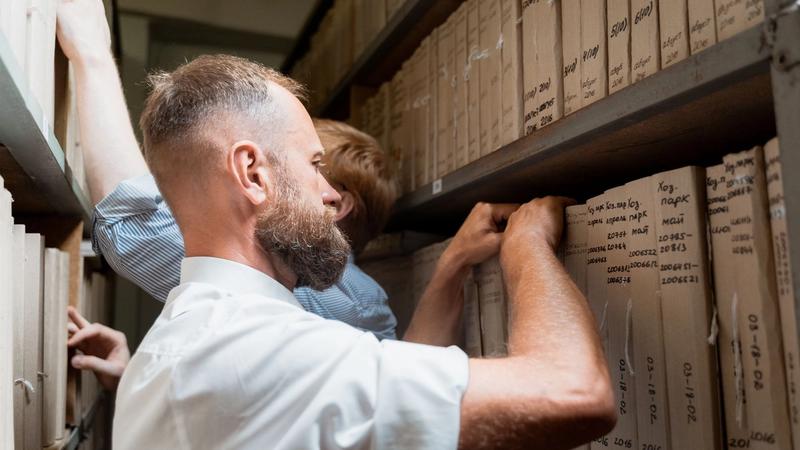
Written records are indispensable, but they are unevenly distributed. Institutions tend to generate files. Many people do not. A lease may establish that a family lived somewhere; an interview may convey what the street sounded like, which shop served as an informal gathering place, or how a move felt to a child. Neither source replaces the other. Together, they make the past more legible.
This is especially important for culture because culture is not only an inventory of finished objects. It is practice: accents, stories, rituals, workarounds, jokes, skills, values, and habits of attention. An interview can preserve the relationship between a person and those practices, including the contradictions that a polished official account might smooth away.
Memory is evidence, not a recording
The usefulness of oral history does not depend on treating every recalled detail as perfectly exact. Memory changes. Later experiences, family stories, public narratives, emotion, and the interviewer’s questions can all shape a recollection. The Oral History Association describes interviews as recollections filtered through changing personal and social contexts. That is a limitation when the question is narrowly factual; it is also part of the source’s value.
A narrator who misremembers a date may still reveal something historically important: which event became the turning point in a life, which explanation a community repeats, or what fear and hope felt like at the time. Historians can compare an interview with newspapers, photographs, letters, maps, government records, and other testimony. The goal is not to catch a speaker out. It is to understand both the event and the meaning attached to it.
This distinction protects against two opposite mistakes. One is romanticizing firsthand testimony as unquestionable authenticity. The other is dismissing it whenever it conflicts with paperwork. Oral history is strongest when listeners ask two questions at once: What does this account say happened? And what does the way it is told reveal?
The interview is a collaboration
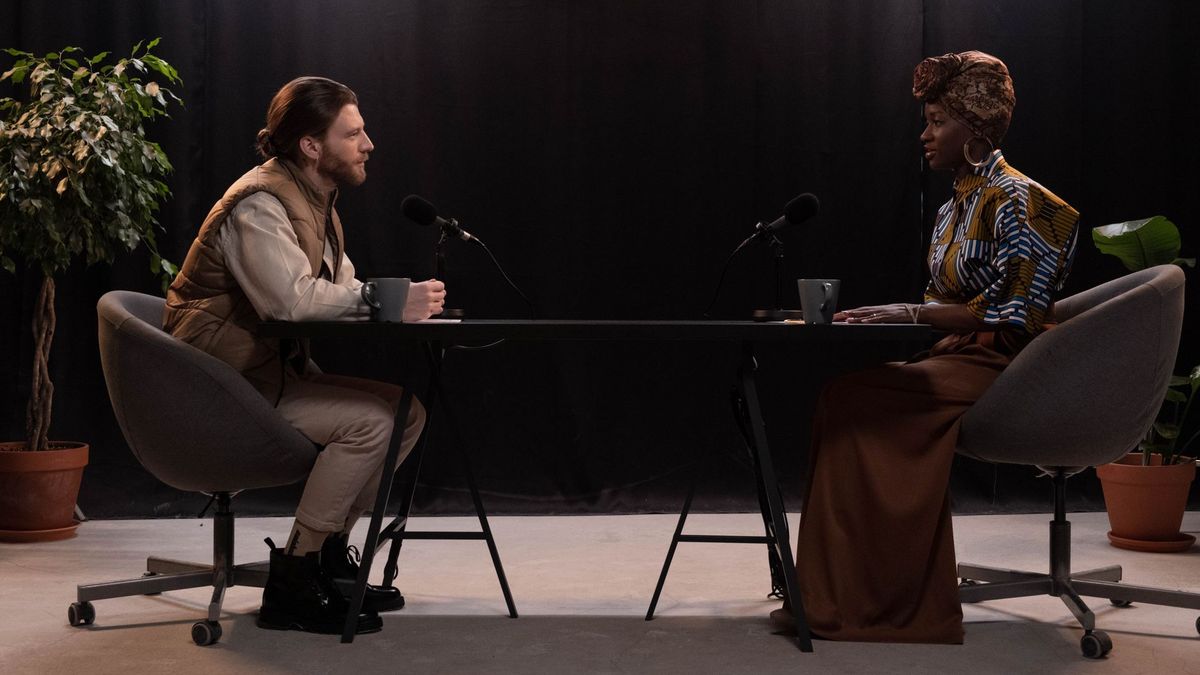
A microphone can create the illusion that one person simply deposits a story into an archive. In reality, interviews are relationships. The interviewer selects the topic, establishes the setting, decides when to follow up, and may bring institutional authority. The narrator decides what to disclose, how to frame experience, and whether to correct, withhold, or reconsider a story.
That is why good practice begins before the first question. Ethical projects explain their purpose, intended audience, recording methods, likely uses, and plans for preservation and access. They seek informed consent rather than assuming that willingness to talk means permission for unrestricted publication. They also recognize that an interview can have consequences long after a conversation ends.
Power deserves particular attention. A community member may be asked to explain painful events to a researcher who will gain professional credit; an elder may not realize how searchable a digital recording can become. Respect means offering clarity, time, and meaningful choices—not merely getting a signature. It can also mean accepting that some material should be restricted, delayed, anonymized, or never collected.
- Prepare enough to ask informed questions without treating the interview as a test.
- Use open prompts such as “What do you remember about that?” before pursuing details.
- Keep the narrator’s wording and perspective intact when excerpting material.
- Discuss access and rights in plain language, including what online publication can mean.
- Invite review where the project’s approach and agreements allow it.
Preservation changes what a story can become
Recording an interview is not the same as preserving it. A file stored on one phone or an unlabeled external drive is fragile: it can be lost, become unreadable, or turn into an anonymous clip with no usable context. Archives make oral history durable by retaining original recordings, documenting consent and restrictions, describing the interview, and planning for file management and access.
Description is not clerical afterthought. A transcript, time-coded index, summary, names, dates, places, language information, and technical details help future listeners find and interpret material. Transcripts improve searchability and accessibility, but they do not fully substitute for sound. Tone, laughter, hesitation, cadence, overlap, and silence can all carry meaning. Automated transcription can speed the work, yet it requires review; names, dialects, and specialized terms are frequent sources of error.
Large public collections show what this careful accumulation can make possible. The Library of Congress Veterans History Project preserves firsthand accounts alongside letters, diaries, photographs, memoirs, and other materials. The combination helps researchers move between personal narration and contemporaneous evidence. It also demonstrates that a cultural record need not be built from interviews alone.
Safeguarding is not the same as freezing
An archive can protect a recording, but culture survives through continued use. UNESCO’s guidance on oral traditions emphasizes that safeguarding should sustain transmission between people rather than turn living practice into a fixed exhibit. A song, story, or local form of speech can change across generations without becoming less culturally meaningful.
That principle complicates the popular idea of preservation as keeping something exactly as it was. In some cases, recording a performance is valuable because it captures a style that may otherwise be difficult to revisit. In others, the recording is only a trace. The real continuity comes when people keep telling the story, adapting it to new circumstances, teaching it to children, or finding new settings in which it belongs.
Digital tools widen access and can preserve vocal and visual details that text cannot. They can also detach material from its original community, strip out context, or invite reuse beyond what a narrator expected. The best approach is therefore neither anti-technology nor blindly archival. It asks who benefits from access, who bears risk, and what conditions allow a tradition to remain active on its own terms.
Listening is a cultural skill
Most people will not build a formal oral-history archive. Yet the underlying practice is available in ordinary life. Recording a family conversation, interviewing a retiring coworker, or asking a neighbor about a local landmark can widen the historical record—if it is done with care. Start with curiosity rather than an agenda to extract a dramatic story.
The most durable outcome may not be a perfect account of the past. It may be a better habit of listening: recognizing that people hold different versions of shared events, that uncertainty can be honest, and that a culture is made not only by celebrated creators but also by people explaining how life was lived.
Oral history keeps culture in motion because it treats voices as more than raw material for nostalgia. When interviews are prepared thoughtfully, preserved responsibly, and interpreted in context, they allow the past to remain plural, audible, and open to future questions.
Final thoughts
A voice is never a complete archive, and an archive is never the same thing as a living tradition. But oral history connects the two. It gives personal experience a durable form while reminding us that memory is shaped in the present.
Its central lesson is simple: preserving culture is not only about saving what people made. It is also about making room for people to say what those things meant.
Sources
Photo by cottonbro studio on Pexels.